Loading...
Loading...
News
June 9, 2024
News
Cholecystitis is inflammation of the gallbladder. It usually occurs because of a blockage in the bile ducts. Surgery to remove the gallbladder is the main treatment, but other options may help reduce pain and relieve symptoms.

What you need to know about cholecystitis treatment
Cholecystitis is inflammation of the gallbladder. It usually occurs because of a blockage in the bile ducts. Surgery to remove the gallbladder is the main treatment, but other options may help reduce pain and relieve symptoms.
The gallbladder is an organ that stores and releases bile, a substance produced by the liver that helps break down fats in food. It releases bile into the digestive system through the bile ducts.
A blockage in the bile ducts can occur because of gallstones, which are hard deposits of cholesterol, a waxy substance found in the blood. Biliary sludge can also lead to a blockage. Biliary sludge is a fluid containing cholesterol and salt crystals that is produced by the liver to help digest fat. Blockages cause bile to build up, increasing pressure inside the gallbladder.
Cholecystitis does not always cause symptoms. However, when symptoms do occur, serious complications can develop.
This article discusses various treatment options for cholecystitis and when to seek medical attention. It also answers some common questions about cholecystitis.
Initial treatment of acute cholecystitis often requires hospitalization so that a doctor can monitor the patient's recovery.
Controlled Fasting
A doctor may recommend that a person avoid eating and drinking for a short period of time to reduce pressure on the gallbladder.
Fluids
Intravenous (IV) fluids may be administered to reduce the risk of dehydration caused by fasting.
Pain Medication
Pain medication can help improve comfort during the hospital stay.
Antibiotics
If a doctor suspects an infection of the gallbladder, they may prescribe antibiotics.
A hospital stay may last up to a week. However, a person may be able to return home sooner, depending on their progress.
Side Effects and Risks
The risks associated with initial treatment are generally low. Hospital monitoring helps reduce the risk of complications. For example, prolonged fasting can cause low blood sugar and dehydration. However, a doctor can address these problems by administering fluids intravenously.
People may also have different reactions to medications. For example, the National Health Service (NHS) notes that antibiotics and nonsteroidal anti-inflammatory drugs (NSAIDs) can cause side effects such as diarrhea and nausea.
Cholecystectomy
During a cholecystectomy, a surgeon treats cholecystitis by removing the gallbladder. It is one of the most common surgical procedures performed in adults in the United States.
The gallbladder plays an important role in the body, but a person can function normally without it. After the procedure, bile flows directly from the liver into the digestive system rather than being stored in the gallbladder.
There are two main types of cholecystectomy:
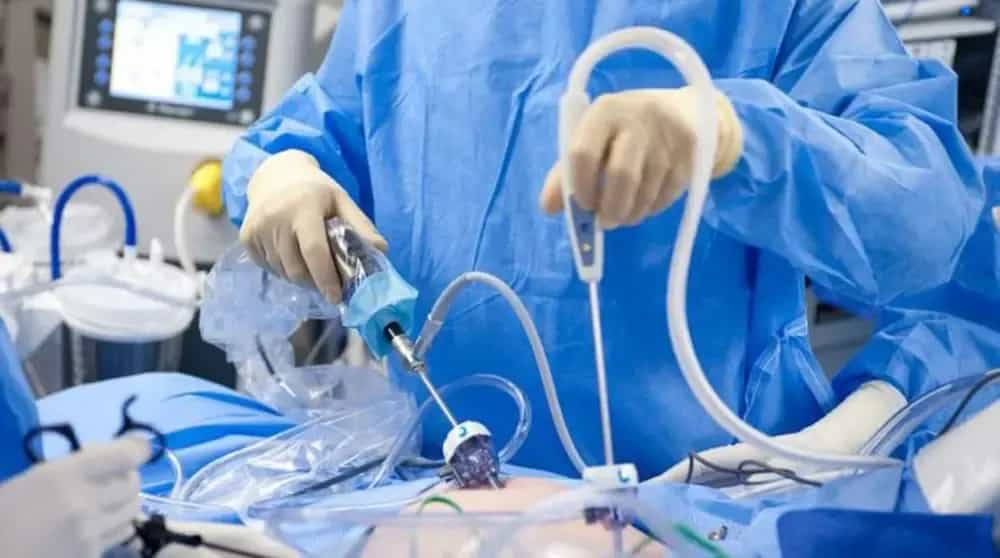
Laparoscopic cholecystectomy: Most surgeons perform this type of gallbladder removal. It is a minimally invasive procedure, meaning that the surgeon does not make a large incision. It is performed while the patient is under general anesthesia, and people can often go home on the day of surgery. A return to normal activities may be possible within 7 days.
Open cholecystectomy: This procedure involves making a larger surgical incision. A surgeon usually performs an open procedure only if complications occur during laparoscopic cholecystectomy. After the procedure, patients typically need to remain in the hospital for 2 to 6 days. They can often return to normal activities after about one month.
Side effects and risks
After a cholecystectomy, a person may experience changes in bowel movements. These changes are usually temporary, but any effects following surgery should be discussed with a doctor.
Endoscopic retrograde cholangiopancreatography (ERCP)
ERCP is a nonsurgical procedure that may be used in the treatment of cholecystitis. Doctors may use ERCP to remove a gallstone blocking the common bile duct.
However, nonsurgical procedures are generally appropriate only for people with serious health conditions that make surgery too risky or in situations where surgical complications involving the bile ducts may occur during cholecystectomy.
During ERCP, a doctor administers a sedative and numbs the throat to reduce discomfort and prevent gagging. A flexible tube with a light and camera is then passed through the throat and into the stomach and small intestine.
The camera allows the doctor to identify blockages in the bile ducts and pass small instruments through the tube. These instruments can help break up and remove gallstones or open blocked ducts. In some cases, a stent may be placed to keep the duct open.
Oral dissolution therapy
A doctor may recommend taking bile acid medications, such as ursodiol or chenodiol, to gradually dissolve certain small gallstones over time. These medications work by providing additional bile acids that can partially dissolve the stones. However, they are not effective for dissolving all types of gallstones.
People undergoing oral dissolution therapy may need to take the medication for several months or even years, and treatment may sometimes need to continue long term.
Related Articles