Procedures
Mole and Papilloma Removal
A mole, also known as a nevus, is a benign pigmented skin lesion that typically appears as a brown spot on the skin. In most cases, moles do not cause discomfort. However, there are situations in which moles or papillomas need to be removed for medical or cosmetic reasons. Папиллома – образования на коже, являющиеся проявлением болезни ВПЧ (вирус папилломы человека). Отличить от родинок их проще: они цвета кожи и бывают разных размеров.
Why should moles and papillomas be removed?
Sometimes a mole may begin to change in size, shape, or color, or become itchy, flaky, or otherwise symptomatic. These changes are important reasons to consult a dermatologist.
If there are any signs of concern, the dermatologist will perform a thorough examination and, if necessary, recommend the most appropriate treatment or removal procedure.
Which moles are considered suspicious?
A mole should be evaluated by a doctor if it has any of the following characteristics:
Asymmetrical shape;
Irregular or poorly defined borders;
Uneven or multiple colors;
Increase in size;
Itching, bleeding, or other noticeable changes.
These signs may indicate a risk of melanoma, making prompt medical evaluation essential.
Why is mole removal important?
Changes in the appearance of a mole may be an early sign of a malignant process. Timely removal can help prevent the development of skin cancer and other complications.
Removing suspicious skin lesions at an early stage also helps reduce the risk of disease progression and allows for accurate diagnosis when necessary.
Methods of mole removal
At our clinic, we use modern and safe removal techniques, including:
Laser removal – a quick, bloodless procedure with minimal risk of scarring;
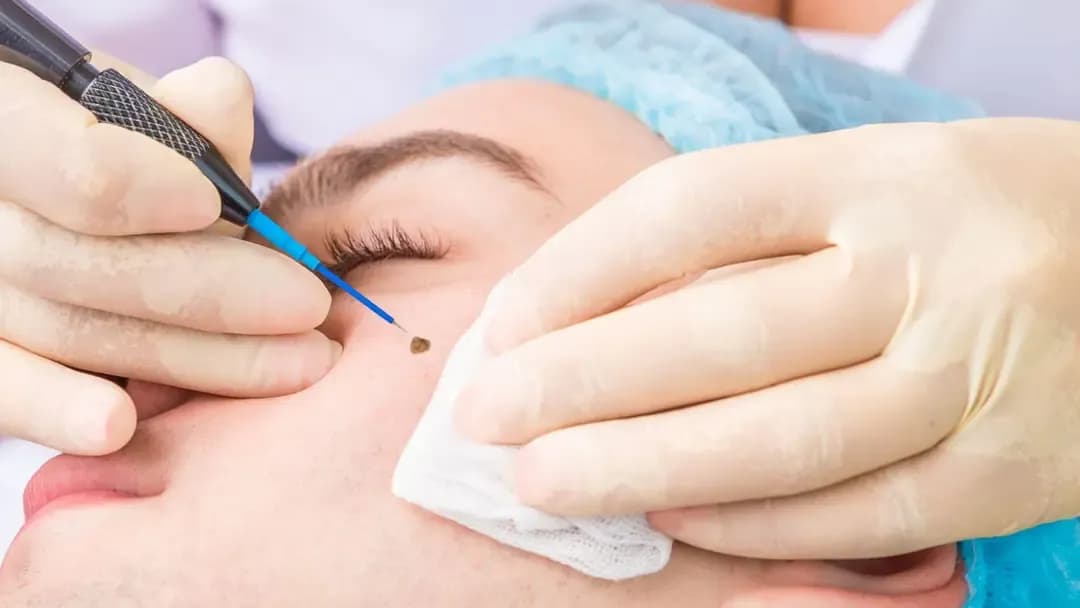
Radiofrequency surgery (Surgitron) – a precise and minimally invasive method;
Surgical excision – recommended for large or suspicious moles, with the option of histopathological examination (biopsy);
Cryodestruction (cryotherapy) – commonly used for the removal of papillomas.
The most suitable treatment method is selected individually after a medical examination.
Contraindications
The procedure may be postponed in the following cases:
Acute inflammatory conditions;
Exacerbation of chronic diseases;
Pregnancy (depending on the physician's assessment);
Allergy or intolerance to local anesthetics.
How to prepare for the procedure
A few days before the procedure, patients are advised to:
Avoid excessive sun exposure and tanning beds;
Do not apply creams or lotions to the treatment area;
Inform the physician about any medications they are currently taking.
How is the procedure performed at Expert Medical Clinic?
Consultation
A dermatologist performs a comprehensive examination of the skin lesions, determines whether removal is necessary, recommends the most appropriate treatment method, and discusses the patient's expectations.
Selection of the removal method
Depending on the type, size, and location of the lesion, the physician selects the most appropriate removal technique, which may include laser therapy, radiofrequency surgery, electrocoagulation, cryotherapy, or surgical excision.
Procedure
After preparing the treatment area, the dermatologist carefully removes the mole or papilloma using the selected method.
Aftercare
Following the procedure, the dermatologist provides detailed instructions on wound care to minimize the risk of complications and promote rapid healing.
Why choose Expert Medical Clinic?
At Expert Medical Clinic, our experienced dermatologists specialize in the safe and effective removal of moles and papillomas using modern medical technologies.
We provide personalized treatment plans, accurate diagnosis, and high standards of patient care to ensure the best possible cosmetic and medical outcomes.