Loading...
Loading...
News
March 27, 2024
News
Are you concerned about hair loss and balding? This is a common problem that affects many people. Did you know that there are natural ways to promote hair growth?
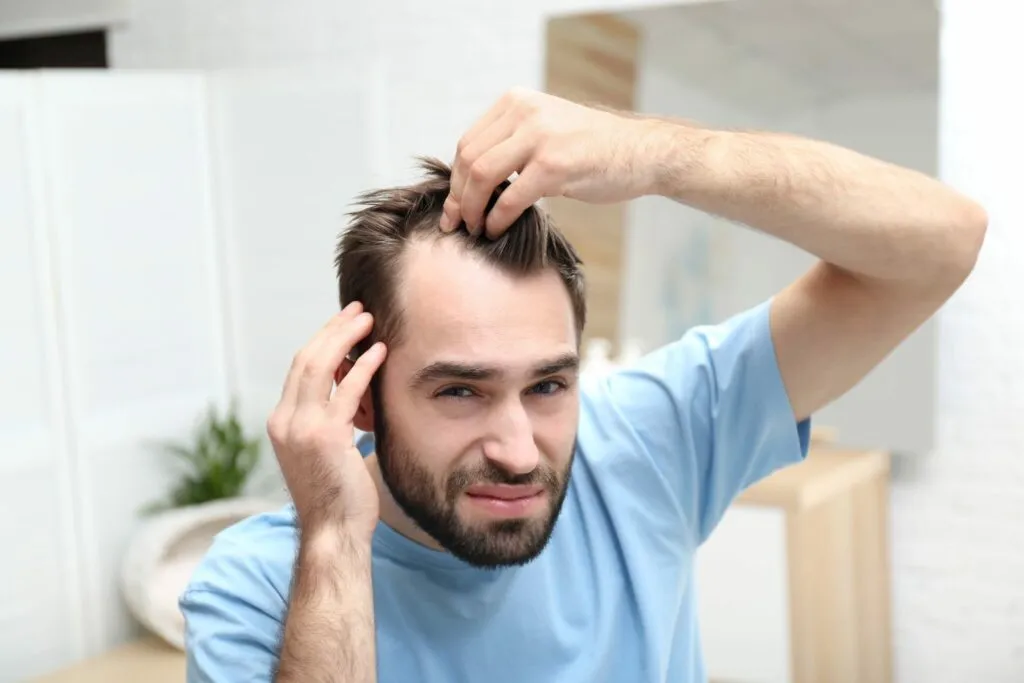
How to stop hair loss and restore hair naturally: 10 effective tips
Are you concerned about hair loss and balding? This is a common problem that affects many people. Did you know that there are natural ways to promote hair growth? In this article, we will share 10 effective tips and home remedies to help reduce hair loss and encourage hair growth. Get ready to say hello to healthier, thicker locks!
Key Takeaways:
A balanced diet plays a crucial role in preventing hair loss and supporting hair regrowth. Include foods rich in protein, biotin, vitamin E, and essential minerals such as iron in your diet.
Physical activity increases blood flow to the scalp, which may improve follicle health, while stress management techniques help reduce factors that can contribute to hair thinning.
Natural oils, such as coconut oil, rosemary oil, and argan oil, nourish the scalp when used regularly for massage and may help stimulate hair growth.
Before taking any new supplements, such as biotin or folic acid, it is important to consult a healthcare professional for personalized advice.
If you experience chronic or sudden hair loss that does not improve with natural treatments, seek professional medical advice to rule out underlying causes.
Understanding the causes of hair loss
Genetics, nutritional deficiencies, hormonal imbalances, and stress are common factors that contribute to hair loss. Understanding the underlying cause can help you find effective solutions to restore your hair.
Genetics:
Your genes play a major role. Inherited traits can increase your likelihood of developing male-pattern or female-pattern hair loss, also known as androgenetic alopecia. This type of thinning typically follows a predictable pattern, beginning with a receding hairline and progressing toward the crown of the head.
If you have family members who began experiencing hair loss at a certain age, you may undergo similar changes.
Although you cannot change your DNA, understanding that genetics influences your risk of hair loss can help you focus on prevention strategies and treatments that may work better for you.
Nutritional Deficiencies:
Just as genetics plays a role in hair loss, a lack of essential vitamins and minerals can also contribute to the problem. Without the right balance of vitamins and minerals, your hair may not receive the support it needs to remain healthy and strong.
Micronutrient deficiencies are more than just an inconvenience; they may be hidden contributors to receding hairlines and thinning patches. For example, iron-deficiency anemia is a common condition that can contribute to impaired hair growth.
In short, addressing micronutrient deficiencies through a balanced diet rich in essential vitamins may help you achieve thicker, stronger hair.
Hormonal Imbalances:
While micronutrient deficiencies can contribute to hair thinning, hormonal imbalances often play a significant role as well. Hormones act as messengers that tell our bodies how to function. When hormone levels are out of balance, they can affect the hair growth cycle.
Conditions such as polycystic ovary syndrome (PCOS) and other endocrine disorders are examples of how hormonal changes can trigger hair loss. Metabolic syndrome may also contribute to hormonal imbalances.
Stress:
Stress and anxiety are other important factors. Stress is associated with certain types of alopecia that can cause significant hair shedding following a stressful event.
In addition, chronic anxiety may contribute to scalp inflammation and disrupt the hair growth cycle.
10 Tips to restore hair naturally
Maintain a balanced diet
Engage in regular physical activity
Massage your scalp regularly
Take dietary supplements when appropriate
Use natural hair oils
Drink enough water
Use gentle hair care techniques
Limit chemical hair treatments
Reduce stress
Consider medications that stimulate hair growth
If you are experiencing significant hair loss, you can consult our specialist. A trichologist can help assess your condition and recommend an appropriate treatment plan.
Related Articles