News
Travel first-aid kit: what to pack
July 9, 2026
Blog
Summer is the season of vacations and travel. A good mood should not be spoiled by health problems. How to put together a first-aid kit for your trip and what you should take with you – we explain below.
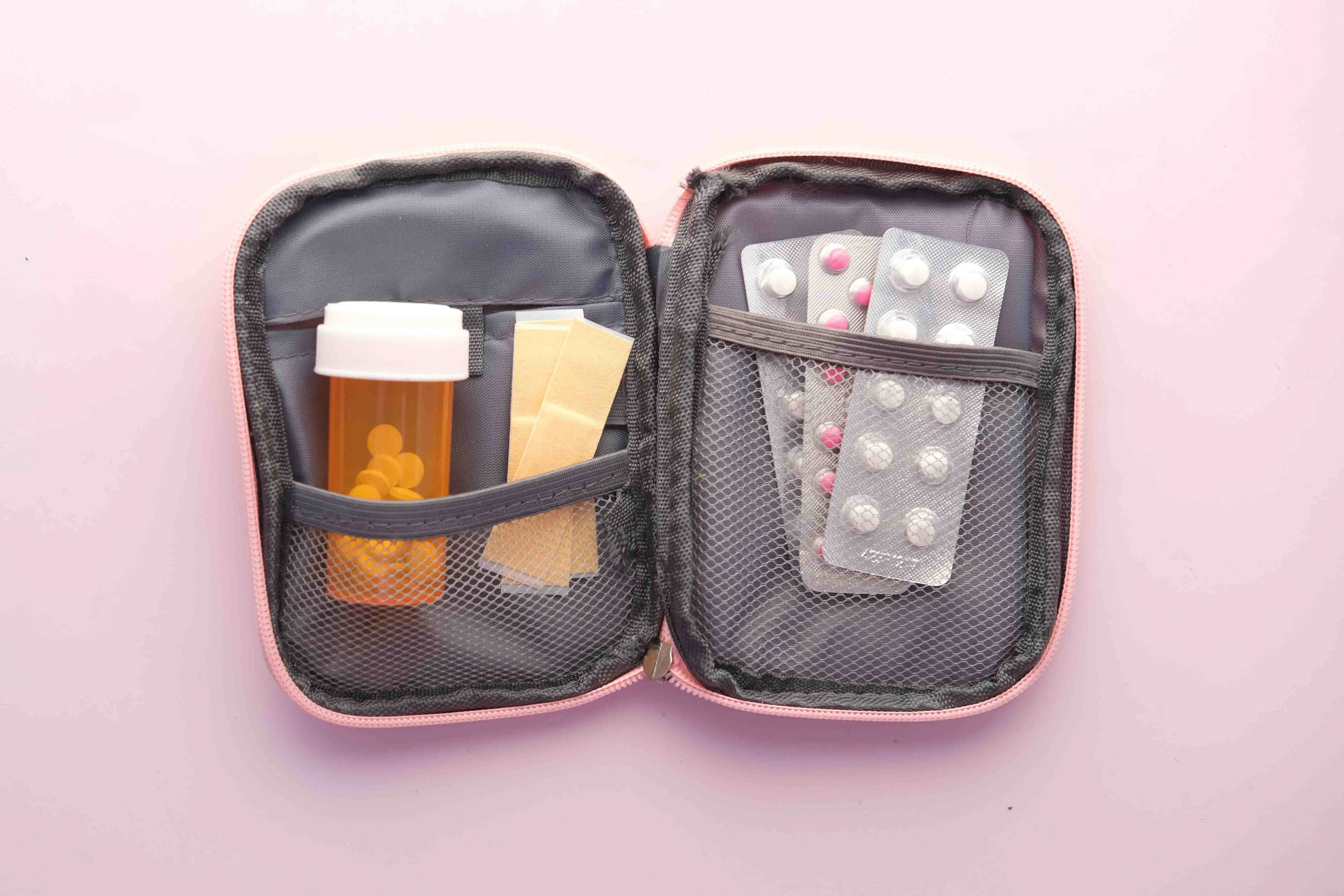
First aid
Basic items for cuts and burns:
bandages;
adhesive bandages (it is best to have different sizes and lengths);
elastic bandage;
iodine and brilliant green antiseptic;
hydrogen peroxide or chlorhexidine.
Medicines for stomach problems and allergies
Important medicines worth taking with you:
antihistamines («Lordes», «Zodak» and other tablets suitable for you);
probiotics («Linex», for example);
anti-diarrheal medication («Loperamide» or other suitable options);
remedies for poisoning and bloating (activated charcoal, «Smecta», «Mezim»).
Insect sprays and gels
As a precaution, take a gel or cream for insects and mosquito bites. This is especially important if you are traveling to countries where there are many insects – it is better to take extra precautions.
For tanning and after sun exposure
If you enjoy sunbathing, remember to use sunscreen. In addition, take an after-sun oil or spray containing panthenol. Such products help protect and care for the skin after prolonged exposure to the sun (especially if you have got sunburned).
We strongly recommend using SPF 50+ PA++++ to protect the skin from ultraviolet radiation and prevent photoaging. It should be reapplied every 2–3 hours.
For fever
Sometimes, during a holiday, the immune system may become weaker and a cold may develop. This can be accompanied by a fever. It may also happen during acclimatization. For such situations, it is better to take a thermometer with you, preferably a digital one.
To reduce a fever, you can use antipyretic medicines such as ibuprofen, paracetamol, or Nurofen.
If you are planning to travel with children, take medicines that are appropriate for their age.
Prescription medicines
As a precaution, take a prescription properly issued by your doctor. It is helpful if the names of the medicines are written in Latin letters. Some countries have specific requirements regarding the transportation or import of prescription medicines. Check these requirements in advance.
Other tips
Depending on the country you are visiting, consult a doctor several months in advance to receive any necessary vaccinations. Be sure to take a document confirming that you have received the vaccine.
You can also add ammonia solution to your first-aid kit (in case of fainting), hand sanitizers, wet and dry wipes. You may also include medical gloves – 1–2 pairs.
Women are advised to take personal hygiene products just in case.
Conclusion
When preparing for your holiday, do not forget about your health. Even if you are traveling with children, carefully consider which medicines you will take with you. Check in advance whether the medicines you have chosen are allowed to be imported into your destination country. If they are prohibited, look for alternatives. It is always better to be prepared. As a last resort, you can buy the medicines at your destination. In this case, you should also check in advance whether these medicines are classified as prescription drugs.
Related Articles