Loading...
Loading...
News
October 28, 2026
Blog
Acne is one of the most common skin conditions. It develops as a result of bacterial growth. Treatment should be comprehensive and carried out under a doctor's supervision. In this article, we explain what to do and how to manage the condition.
What is acne
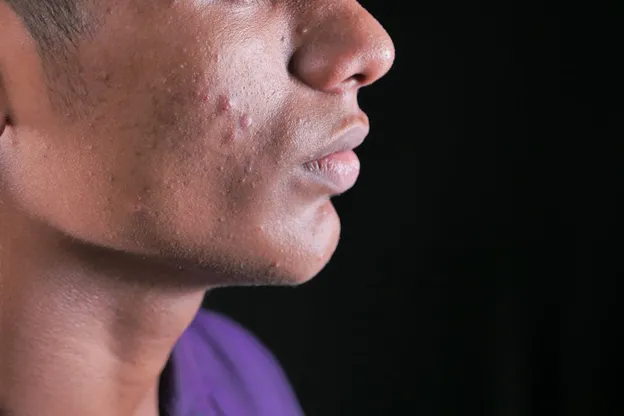
Acne, also known as pimples or acne vulgaris, is a skin condition characterized by redness, whiteheads, blackheads, and nodules that can appear not only on the face but also on other parts of the body, such as the back. Acne usually develops during adolescence. Women are more frequently affected by acne.
Why does acne develop
There are many possible causes of acne. However, certain factors can trigger its development:
Increased sebaceous gland secretion. Excessive sebum production reduces the skin's natural antibacterial properties. The sebum becomes thicker, which can block the openings of the sebaceous glands. This phenomenon may occur in women during the last week of the menstrual cycle and in adolescents during puberty;
Follicular hyperkeratosis. This is a disorder of the normal renewal of cells in the hair follicles. As a result, the outermost layer of the skin thickens, preventing sebum from flowing out properly;
Propionibacteria. These microorganisms can trigger acute inflammatory reactions.
In addition to the factors listed above, other causes may contribute to acne. For example, unsuitable cosmetic products may contain ingredients that trigger allergic reactions and inflammation. Ultraviolet radiation can also contribute to acne-related skin problems, as prolonged sun exposure may damage the skin. Certain hormonal medications can also cause acne.
What are the signs of acne?
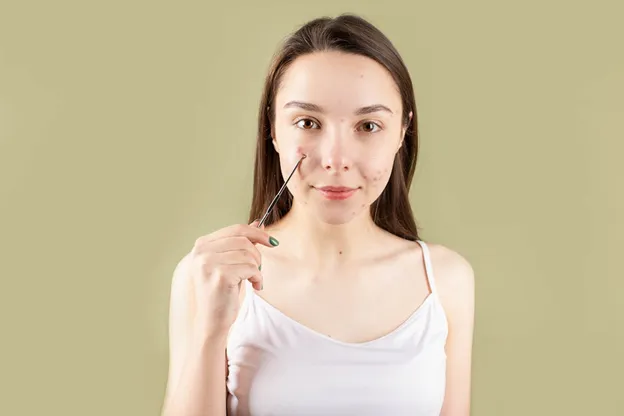
Acne can sometimes be distinguished from other types of skin inflammation by the following signs:
Numerous breakouts, particularly on the cheeks;
Pimples of different sizes;
Pain or tenderness when touched;
An oily sheen that appears 2–3 hours after washing the face;
Flaking and changes in facial skin tone;
Significantly enlarged pores.
Do not squeeze pimples yourself. Doing so can make the condition worse. Consult a dermatologist or a qualified skincare professional.
What types of acne are there
Although acne develops through similar underlying mechanisms, dermatologists distinguish between several types:
Comedonal acne. Comedones develop when sebum is produced and accumulates in the narrow opening of a sebaceous gland, causing a blockage. The comedone becomes denser, and the raised bump grows larger.
Papulopustular acne. This type appears on the cheeks, chin, and forehead as white and red pustules and comedones. Medical treatment is important to reduce the risk of permanent marks and scars.
Nodular acne. This type is characterized by large, firm, inflamed nodules containing accumulated pus. Initially, the nodules are red but may become bluish over time. Eventually, they may rupture and form sores that take a long time to heal.
What are the stages of acne
Acne is commonly classified into four stages:
Mild — blackheads or whiteheads appear;
Moderate — comedones and pimples with signs of inflammation develop;
Severe — the number of whiteheads, blackheads, and other lesions increases;
Very severe or nodular — cysts and difficult-to-treat scars may develop. Inflammation can become extensive and affect the upper layer of the skin.
Causes of acne

Acne can develop for various reasons. One of the main contributing factors is genetic predisposition, meaning a tendency that may be inherited from a parent. Special investigations may be conducted to assess the genetic contribution. Other factors, both external and internal, can also influence acne development.
External factors include:
Oil-based makeup and cosmetics. Certain products containing oils can clog pores and promote the formation of comedones;
Climatic conditions. Hot and humid weather can increase sebum production;
Ultraviolet radiation and direct sunlight. These can adversely affect keratinocytes and increase the skin's sensitivity to light. Skin reactions may be different from expected, particularly when taking medications for acne;
Chemical substances. Working with chemicals and exposure to dust and smoke may promote comedone formation;
Squeezing pimples. Mechanical damage can affect surrounding areas of the skin, increasing inflammation and potentially leading to scars;
Medications that can trigger acne;
Excessive use of antiseptics. Frequent use may reduce the number of beneficial bacteria on the skin and contribute to acne development.
Internal factors include:
Hormones. Hormones stimulate sebum production. This is particularly noticeable during adolescence;
Changes in the activity of the reproductive glands. These changes are particularly relevant to women and may occur during pregnancy or menstruation;
Endocrine system disorders. These can contribute to the development of acne or worsen an existing condition;
Hyperkeratosis. Impaired skin cell renewal can also contribute to acne;
The gastrointestinal tract (GI tract). Its influence on acne is not necessarily direct. Instead, it may be one of several mechanisms affecting inflammation in specific areas or throughout the body. A reduction in beneficial bacteria and an imbalance in the microbiota may weaken immune function, potentially increasing susceptibility to various illnesses;
Stress. Stress can trigger acne flare-ups. Physical or emotional strain and the release of certain hormones may increase sebum production and comedone formation;
Immune system dysfunction. Changes in immune function may influence the development of blackheads and comedones.
Can acne be treated?
Acne can be managed and, in many cases, its symptoms can be significantly reduced through comprehensive treatment. The first step is to consult a dermatologist, undergo an examination, and complete any necessary tests. Once the results are available, the doctor will select appropriate pharmacy-based treatments and develop a treatment plan. The duration of treatment depends on the severity of the condition.
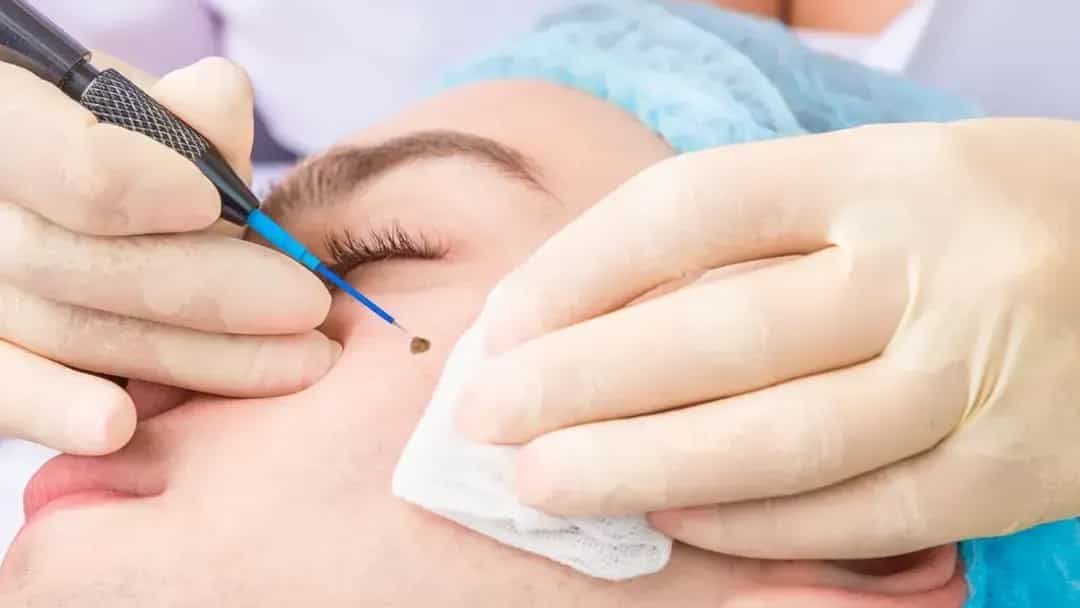
If scars or marks remain, treatments may also help reduce their appearance. A dermatologist or qualified skincare professional can recommend an appropriate method for treating scars. For example, laser resurfacing may help improve the skin's texture.
In all cases, it is important to consult a medical professional. Self-treatment is not recommended, as it may worsen the condition.
Related Articles