Procedures
Blepharoplasty
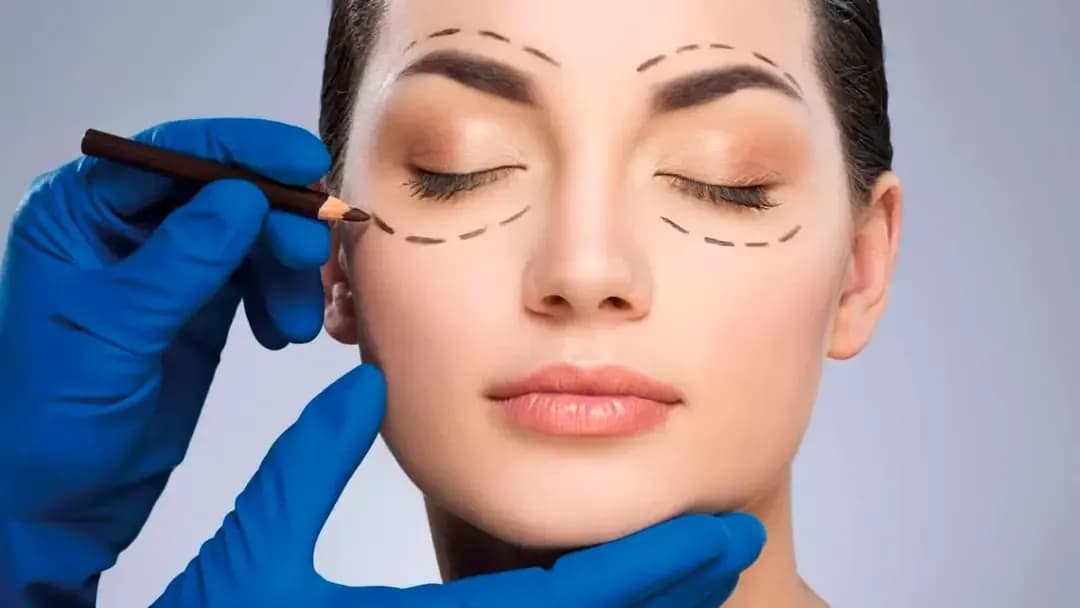
Blepharoplasty, also known as eyelid surgery or an eyelid lift, is a cosmetic and reconstructive surgical procedure that improves the appearance of the upper and/or lower eyelids. It can remove excess skin, reduce under-eye bags, correct drooping eyelids, and reshape the eyes to create a more youthful, refreshed appearance.
In most cases, blepharoplasty is performed under local anesthesia and is tailored to each patient's anatomy, aesthetic goals, and medical needs.
Types of Blepharoplasty
Upper Blepharoplasty surgery removes excess skin and, when necessary, excess fat from the upper eyelids. It is commonly recommended for:
Drooping upper eyelids (ptosis);
Excess skin affecting vision;
Deep upper eyelid wrinkles;
Age-related skin laxity.
Upper blepharoplasty can restore a more open, youthful appearance while improving the natural contour of the eyes.
Lower Blepharoplasty is designed to rejuvenate the area beneath the eyes by treating:
Under-eye bags;
Excess fatty tissue;
Wrinkles;
Loose or sagging skin.
The procedure restores a smoother and more refreshed appearance while maintaining natural facial expressions.
Combined (Upper and Lower) Blepharoplasty addresses both the upper and lower eyelids during a single operation for comprehensive facial rejuvenation.
Depending on the patient's needs, surgery may be performed using conventional surgical techniques or laser-assisted methods. Laser technology may reduce bleeding by sealing small blood vessels during the procedure.
Thread Blepharoplasty is a minimally invasive, non-surgical procedure that uses specialized lifting threads inserted beneath the skin under local anesthesia.
It is best suited for:
Mild eyelid drooping;
Early signs of aging;
Fine wrinkles around the eyes.
Although recovery is quicker than surgery, the results are generally less dramatic and may not be appropriate for patients with significant excess skin.
Canthopexy tightens and elevates the outer corner of the eye to improve eyelid support and create a more lifted appearance.
The procedure may be performed to:
Enhance the eye shape;
Correct lower eyelid laxity;
Improve symmetry;
Create a subtle "cat-eye" effect when appropriate.
Transconjunctival Blepharoplasty removes excess fat through an incision inside the lower eyelid, leaving no visible external scar.
It is ideal for younger patients whose primary concern is under-eye fat protrusion without excess skin.
Canthoplasty reshapes the outer corner of the eye to alter its contour or improve eyelid function.
It may be performed for:
Cosmetic enhancement;
Correction of eyelid asymmetry;
Reconstruction following injury or age-related changes.
The Sangapuri method is an advanced eyelid surgery approach inspired by modern Asian aesthetic surgery. It focuses on harmonizing the eyelids and surrounding tissues to create balanced, natural-looking eyes while preserving each patient's unique facial characteristics.
Consultation and preoperative assessment
Every blepharoplasty begins with a comprehensive consultation with a plastic surgeon.
During your appointment, the surgeon will:
Discuss your goals and expectations;
Evaluate your eyelid anatomy;
Recommend the most appropriate surgical technique;
Explain expected results and recovery.
Preoperative photographs are usually taken from multiple angles to assist with surgical planning and postoperative comparison.
Preoperative tests
To ensure your safety, a standard medical evaluation is performed before surgery. This may include:
Complete blood count (CBC);
HIV testing;
Hepatitis screening;
Electrocardiogram (ECG);
Blood clotting tests (coagulation profile);
Duplex ultrasound of the veins (when indicated);
Chest X-ray;
Blood glucose testing.
If any abnormalities are detected, additional specialist consultations or treatment may be recommended before surgery.
Preparing for blepharoplasty
To minimize surgical risks and promote faster healing, patients are generally advised to:
Stop smoking and avoid alcohol for at least two weeks before surgery;
Avoid blood-thinning medications for several days before the procedure, as instructed by their physician;
Follow all preoperative recommendations provided by the surgical team.
How blepharoplasty is performed
Blepharoplasty is usually performed under local anesthesia, although sedation or general anesthesia may be recommended in certain cases.
The surgeon places incisions in natural eyelid creases or inside the lower eyelid whenever possible to minimize visible scarring.
Depending on the treatment plan, the procedure may involve:
Removal of excess skin;
Removal or repositioning of fat deposits;
Tightening of eyelid muscles;
Reshaping the eyelids;
Lifting the outer corners of the eyes.
The procedure typically takes between 30 minutes and 2 hours, depending on its complexity.
Recovery after eyelid surgery
Following blepharoplasty, it is normal to experience temporary symptoms such as:
Eyelid swelling;
Bruising around the eyes;
Mild discomfort;
Increased tearing;
Temporary numbness;
Slight blurred vision caused by swelling;
Temporary difficulty fully closing the eyes.
Recovery varies from patient to patient, and these symptoms usually improve gradually as healing progresses.
Postoperative care
For optimal healing, patients should:
Avoid strenuous physical activity during the initial recovery period;
Sleep with the head elevated rather than face down;
Wear sunglasses outdoors;
Avoid contact lenses until approved by the surgeon;
Refrain from alcohol, smoking, saunas, and swimming during recovery;
Follow a healthy diet and reduce excessive salt intake;
Resume makeup only after the surgeon confirms that healing is sufficient;
Perform recommended eye exercises only if advised by the physician.
Carefully following postoperative instructions helps reduce complications and supports the best possible cosmetic outcome.
Healing timeline and results
Most incisions heal within 10 to 14 days, although complete recovery varies depending on individual healing.
Visible improvements appear within the first few weeks, but the final result is typically seen after 3 to 6 months, once swelling has completely resolved and scars have matured.
Blepharoplasty offers long-lasting results. However, the natural aging process continues, and some patients may choose additional rejuvenation procedures many years later.
Benefits of blepharoplasty
Blepharoplasty offers numerous advantages, including:
A younger, more refreshed appearance;
Reduction of under-eye bags;
Removal of excess skin and fat;
Improved eyelid symmetry;
Better definition of the eye contour;
Improved peripheral vision when excess upper eyelid skin obstructs sight.
Risks and contraindications
Like any surgical procedure, blepharoplasty carries certain risks and may not be suitable for every patient.
Conditions requiring careful evaluation include:
Dry eye syndrome;
Exophthalmos (protruding eyes);
Active eye infections or inflammation;
Increased intraocular pressure (glaucoma);
A history of abnormal or keloid scar formation;
Blood clotting disorders or increased risk of thrombosis.
A comprehensive examination helps determine whether eyelid surgery is appropriate and minimizes potential risks.
Why choose Expert Medical Clinic for blepharoplasty in Tashkent?
At Expert Medical Clinic, our experienced plastic surgeons combine advanced surgical techniques with individualized patient care to achieve safe, natural-looking results.
Our clinic offers:
Experienced plastic surgeons;
Modern surgical and diagnostic equipment;
In-house laboratory testing;
Comprehensive preoperative evaluation;
Personalized treatment plans;
Honest recommendations based on your anatomy and goals.
If you are considering blepharoplasty in Tashkent, schedule a consultation with our specialists. We will help you understand your options, answer your questions, and develop a treatment plan tail.
Related Procedures