Loading...
Loading...
Procedures
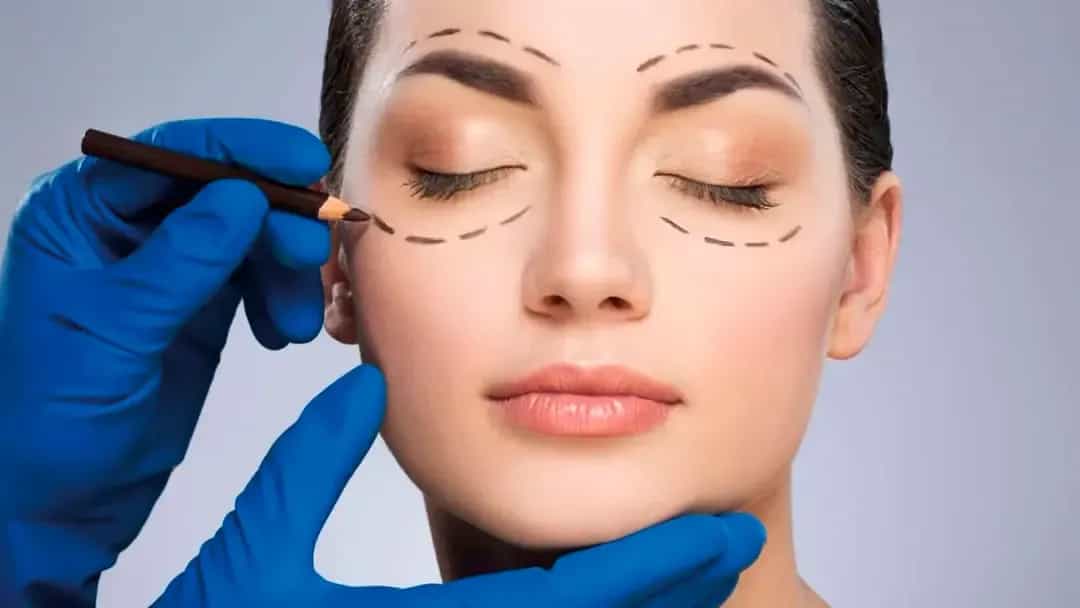
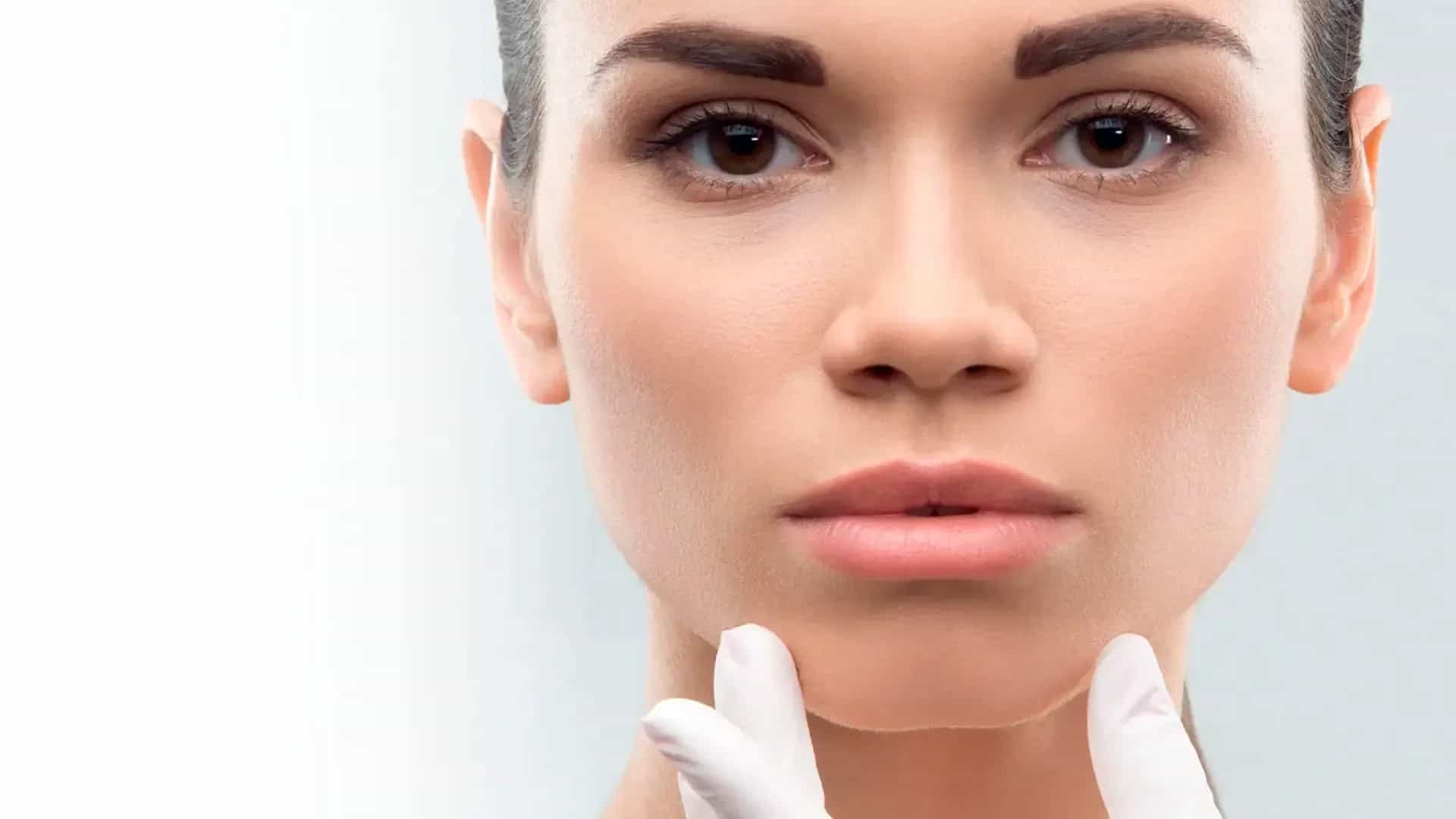
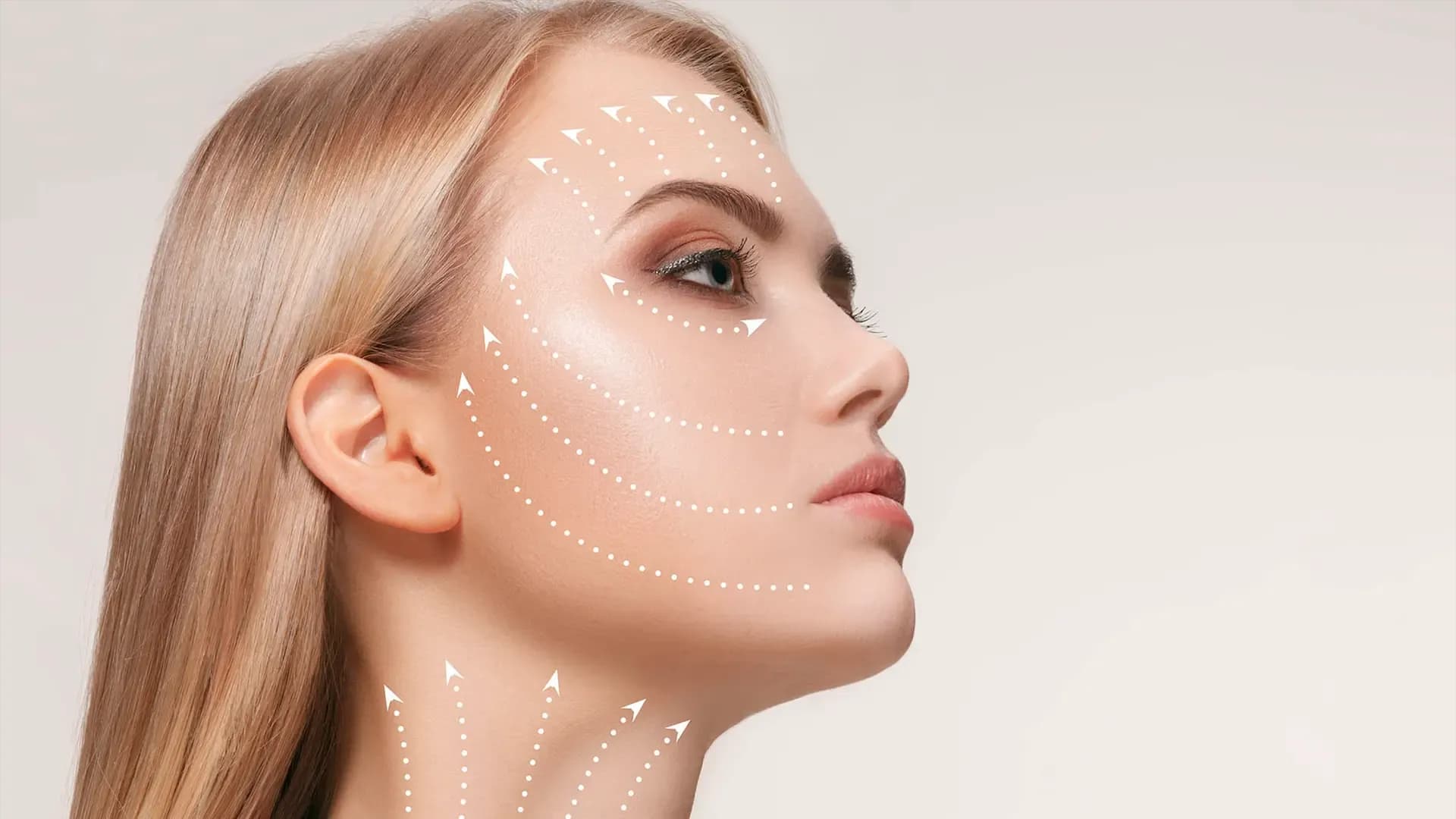
A facelift (rhytidectomy) is a cosmetic surgical procedure designed to tighten and lift the skin of the face. As we age, wrinkles, sagging skin, jowls, under-eye bags, and other visible signs of aging gradually appear. A facelift helps restore a more youthful appearance by repositioning and tightening the facial tissues.
Types of Facelift Procedures
Facelifts can be divided into the following categories:
Subcutaneous facelift
This technique involves removing excess skin in the upper layers of the face. It is a suitable option for patients with mild to moderate signs of aging.
Non-Surgical (Device-Based) facelift
These procedures rejuvenate the skin without surgery and may include treatments such as RF (radiofrequency) lifting, laser skin tightening, or fractional laser resurfacing.
At Expert Medical Clinic, our specialists offer the following facelift techniques:
Classic Facelift – A surgical procedure that tightens the skin and underlying facial muscles to restore youthful facial contours.
Endoscopic Facelift – A minimally invasive procedure performed through small incisions using an endoscope, resulting in less tissue trauma and faster recovery.
Thread Lift – A minimally invasive procedure that lifts and supports facial tissues using specialized absorbable threads.
Who is a good candidate for a facelift?
A facelift is generally recommended when non-surgical treatments are no longer able to achieve the desired results.
Common concerns treated with a facelift include:
Deep skin folds on the cheeks;
Expression lines and facial wrinkles;
Jowls and pronounced nasolabial folds;
Loose or sagging skin;
Excess fat deposits on the face, under the chin, and sometimes the neck.
Contraindications
A facelift may not be recommended for patients with:
Cancer;
Pregnancy;
Diabetes mellitus;
Active skin infections or skin diseases;
Hepatitis;
Certain chronic medical conditions.
Preparing for a facelift
Before the procedure, patients should undergo a consultation with a dermatologist followed by an evaluation by a plastic surgeon.
The surgeon will recommend the necessary laboratory tests and medical examinations to determine whether the patient is a suitable candidate for surgery. If any results fall outside the normal range, the procedure may need to be postponed or additional treatment may be required.
Our specialists will provide detailed preoperative instructions, which should be carefully followed to ensure the safest possible outcome.
Recovery after a facelift
Recovery typically takes 14 to 28 days, depending on the extent of the procedure and individual healing.
Swelling is expected during the first few days and gradually decreases over time.
To support healing, patients are advised to follow a nutritious diet rich in protein and healthy fats, eat plenty of fruits, and stay well hydrated.
During the recovery period, patients should avoid:
Saunas, steam baths, and swimming pools;
Direct sun exposure and tanning beds;
Intense physical activity;
Sleeping on the stomach;
Applying cosmetics until the surgical wounds have completely healed.
Regular follow-up appointments and dressing changes are essential throughout the recovery period.
Following your surgeon's postoperative instructions helps reduce the risk of complications and promotes faster, smoother healing.
Where to get a facelift in Tashkent
At Expert Medical Clinic, facelift procedures are performed by experienced plastic surgeons with more than five years of professional practice.
Our clinic offers:
Highly qualified specialists;
Modern surgical techniques;
Advanced medical equipment;
Personalized treatment plans tailored to each patient's needs.
Related Procedures