Loading...
Loading...
Procedures
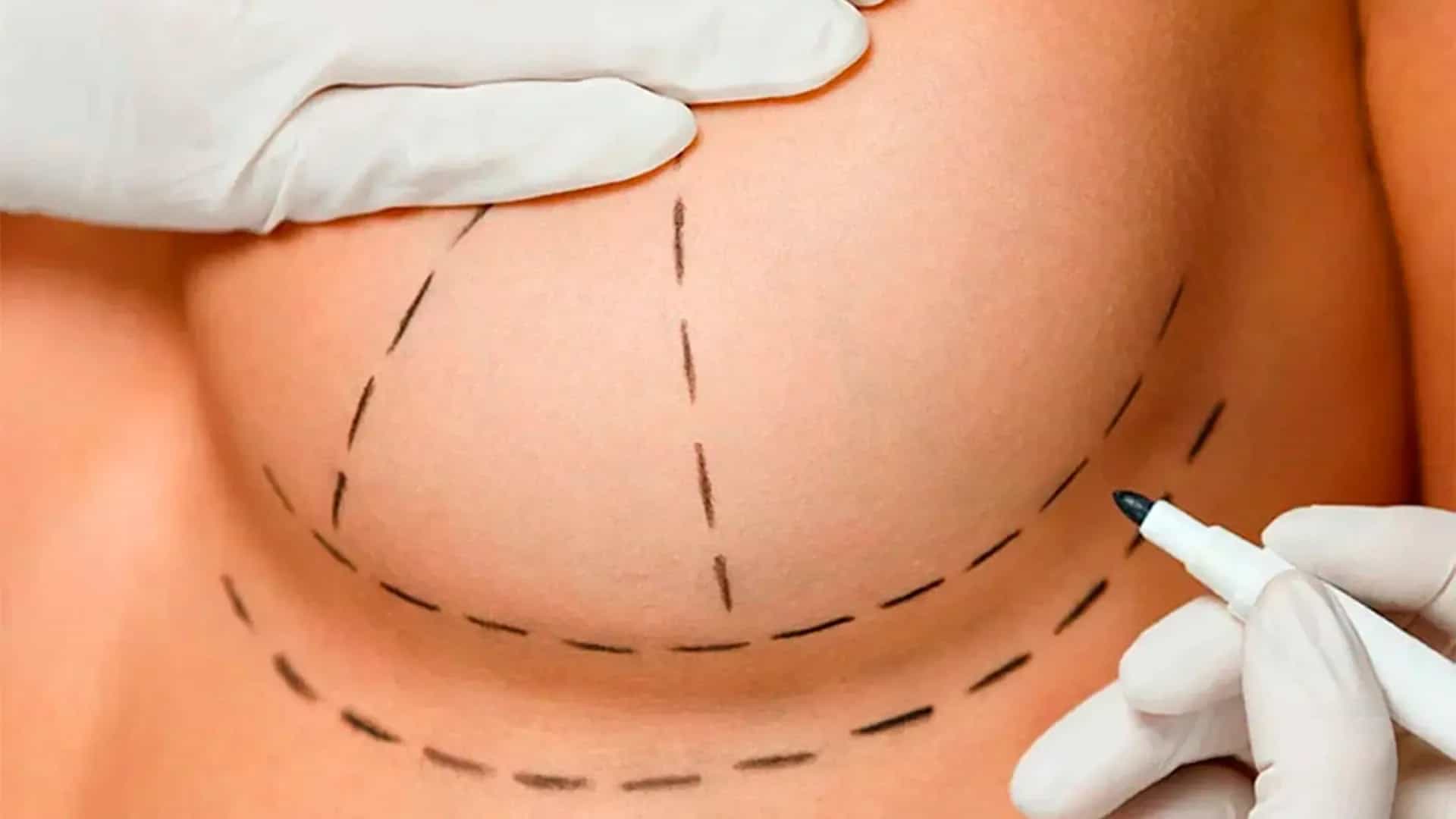
Mammoplasty is a surgical procedure aimed at changing the shape and size of the breasts or lifting the breasts.
Types of mammoplasty:
Augmentation mammoplasty. Simply put, this involves breast implant placement. The implants are selected by the surgeon based on the wide range of available shapes and sizes. Thanks to modern technologies, implants can provide a natural-looking result.
Reduction mammoplasty. This procedure is performed when breast reduction or reshaping is required. Breastfeeding ability is generally preserved.
Breast lift (mastopexy). Also known as mastopexy, this procedure is required when the breast tissue has sagged. In this case, the breast is reshaped, including work around the areola.
Reconstructive mammoplasty. A partial or complete removal of the mammary glands is called a mastectomy. Breast reconstruction can then be performed using the patient’s own tissue or implants.
Nipple and areola correction. Often performed as an aesthetic procedure to change the shape or position of the nipples.
Breast lipofilling. This procedure is aimed at increasing breast volume using the patient’s own fat.
Benefits of the procedure
Improved body proportions and silhouette;
Increased self-confidence and self-esteem;
Correction of breast deformities following trauma or previous surgery.
The procedure process
Consultation. Our experienced plastic surgeon assesses the condition of the breasts and discusses the patient’s goals and expectations regarding the procedure.
Surgical planning. Based on the consultation, an individualized surgical plan is developed according to the patient’s wishes and needs.
Surgery. At our clinic, the surgeon performs the procedure using advanced techniques and technologies to achieve the desired result.
Postoperative care. After surgery, our doctors provide detailed instructions on how to care for the breasts independently and minimize the risk of complications.
How to prepare for mammoplasty
After the type of surgery has been determined, the patient needs to undergo standard preoperative examinations and medical tests, including:
Blood tests;
ECG and breast ultrasound;
Mammography;
Hepatitis testing;
HIV/AIDS testing;
Other examinations as recommended by the doctor.
What are the contraindications?
Chronic diseases;
Cancer;
Cardiovascular diseases;
Diabetes mellitus;
Less than 6 months since the end of breastfeeding;
Mental health disorders.
How to care for your breasts after surgery
The postoperative period is extremely important. It is essential to strictly follow your doctor’s recommendations. Complete breast recovery takes approximately 6–9 months. During this period, the following recommendations should be followed:
Treat the surgical incisions with an antiseptic as instructed;
Wear specialized supportive postoperative garments;
Avoid saunas, steam baths, tanning beds, spas, swimming pools, and other places involving water procedures;
Avoid physical exertion, and for a certain period, do not raise your arms above your head.
Pain, swelling, and a feeling of firmness or tightness after the procedure can be normal during recovery. The most important thing is to carefully and promptly follow all of your doctor’s postoperative instructions.
Mammoplasty in Tashkent
At Expert Medical Clinic, our medical team includes experienced plastic surgeons and nurses. We provide thorough consultations and take an individualized approach to every patient.

Related Procedures