Loading...
Loading...
Procedures
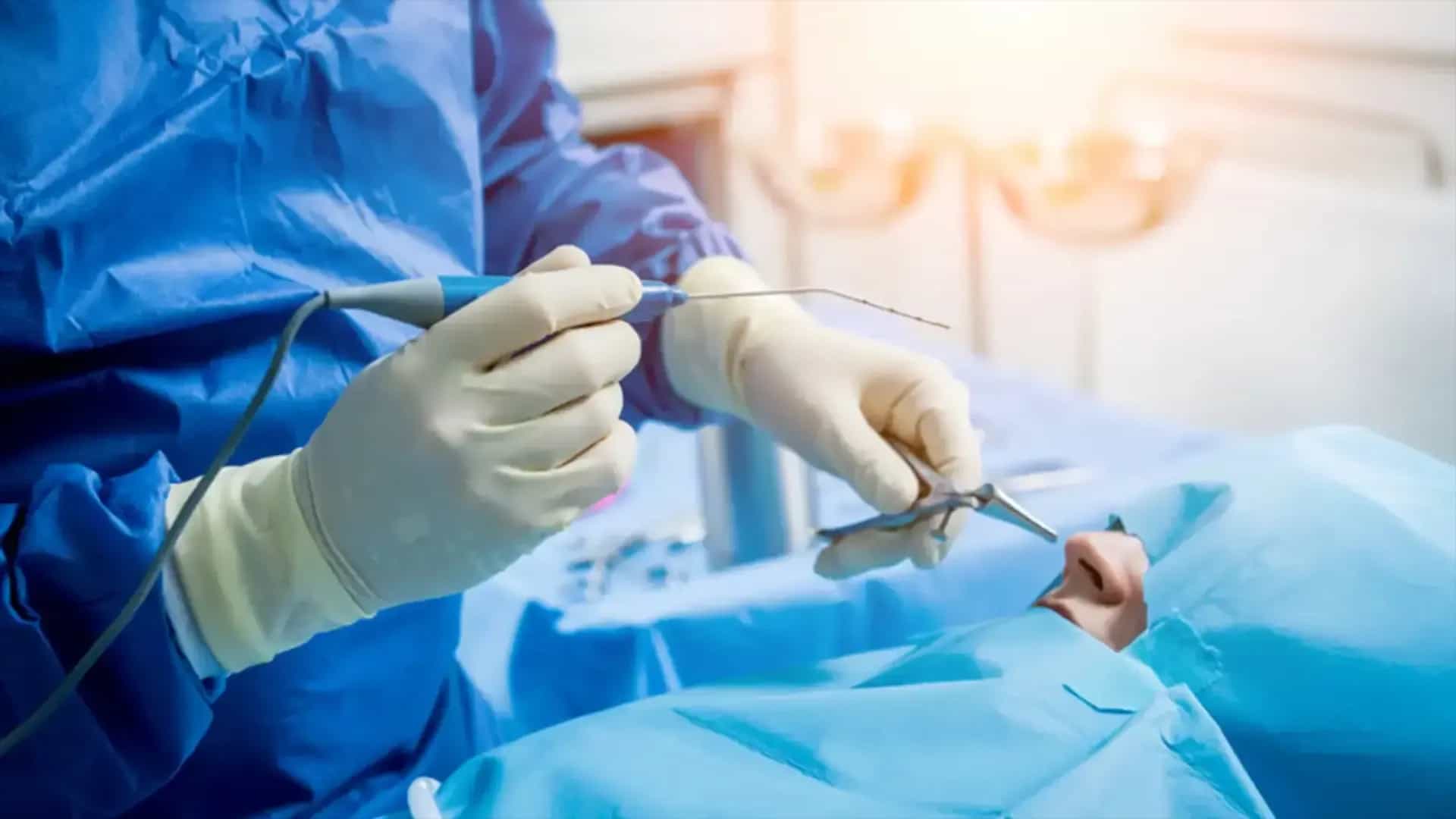
Endoscopic removal of cysts and polyps in the paranasal sinuses is a modern, minimally invasive surgical procedure that uses endoscopic equipment to remove benign growths from the lining of the nasal cavity and paranasal sinuses.
Polypectomy is a surgical procedure performed to remove nasal polyps. Polyps are abnormal growths of the mucous membrane that develop in the nasal cavity and paranasal sinuses (maxillary, frontal, sphenoid, and ethmoid sinuses). They are often associated with chronic inflammation, allergies, infections, and certain anatomical features of the nasal passages.
Paranasal sinus cysts are closed, fluid-filled sacs that typically develop due to blockage of the ducts of the mucous glands.
Causes of Nasal Polyps and Sinus Cysts
Chronic sinus inflammation (sinusitis);
Allergic rhinitis;
Aspirin-exacerbated respiratory disease (AERD), also known as the aspirin triad (asthma, aspirin intolerance, and nasal polyps);
Genetic predisposition;
Upper respiratory tract infections.
How is endoscopic removal performed?
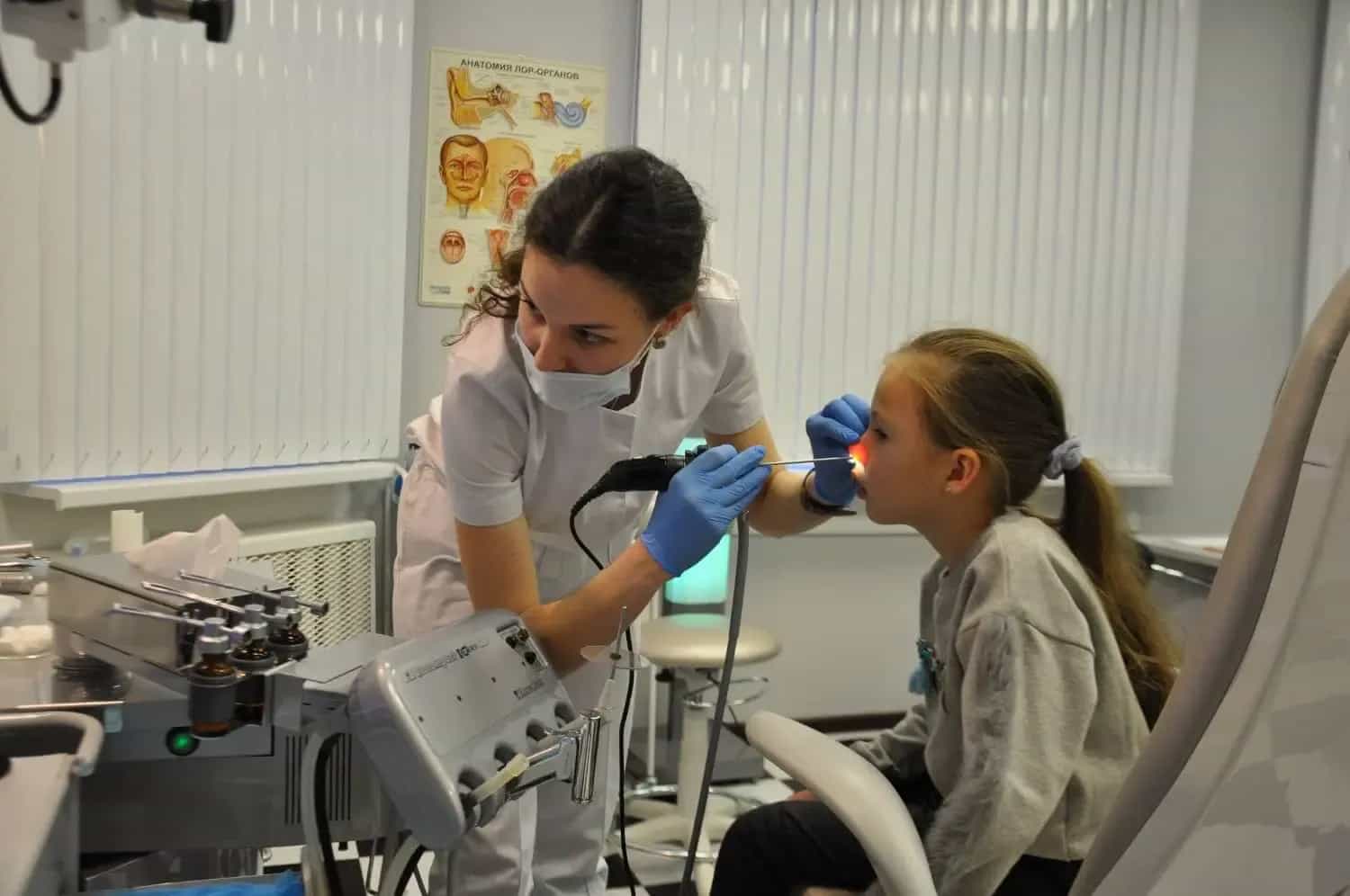
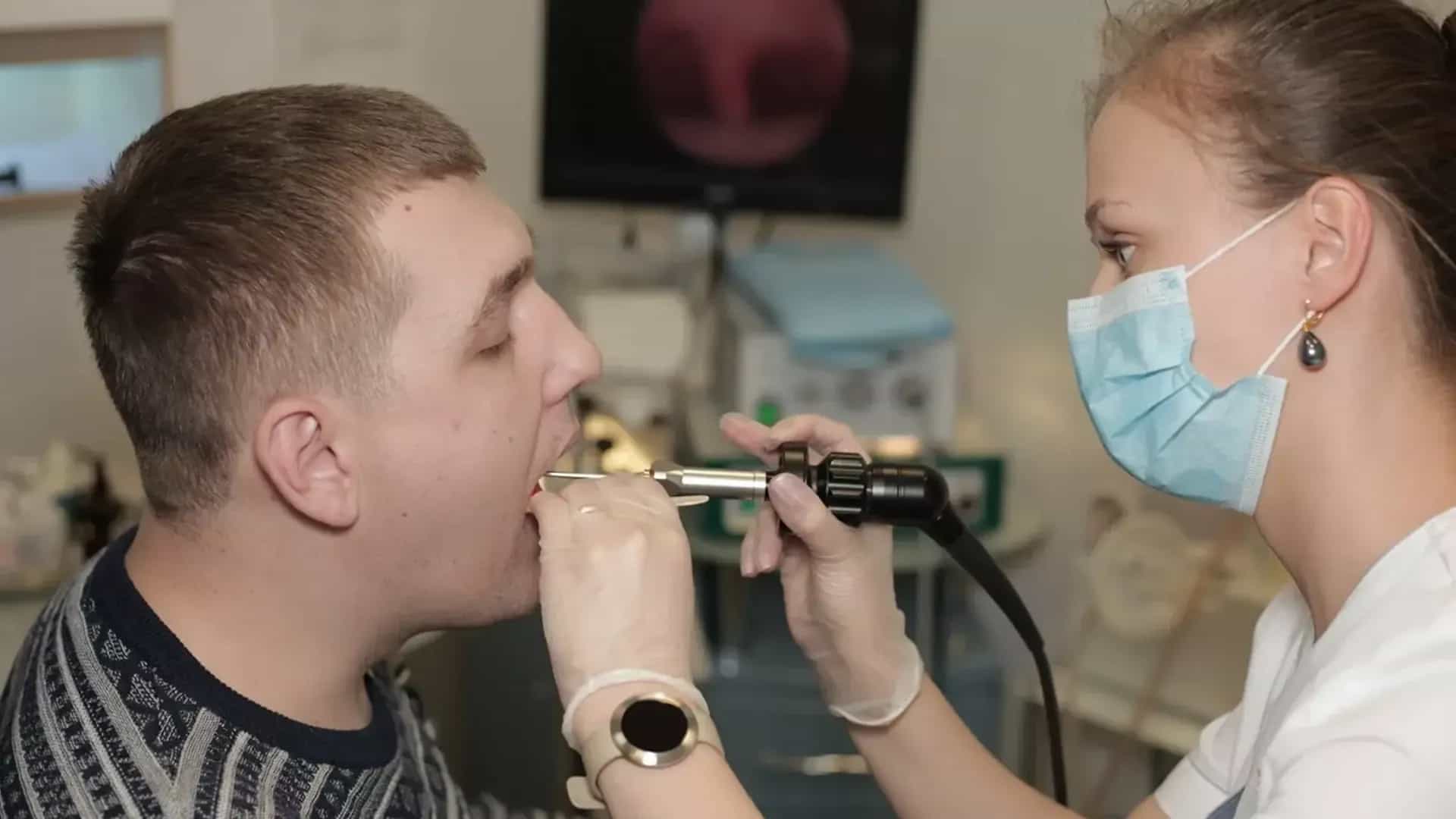
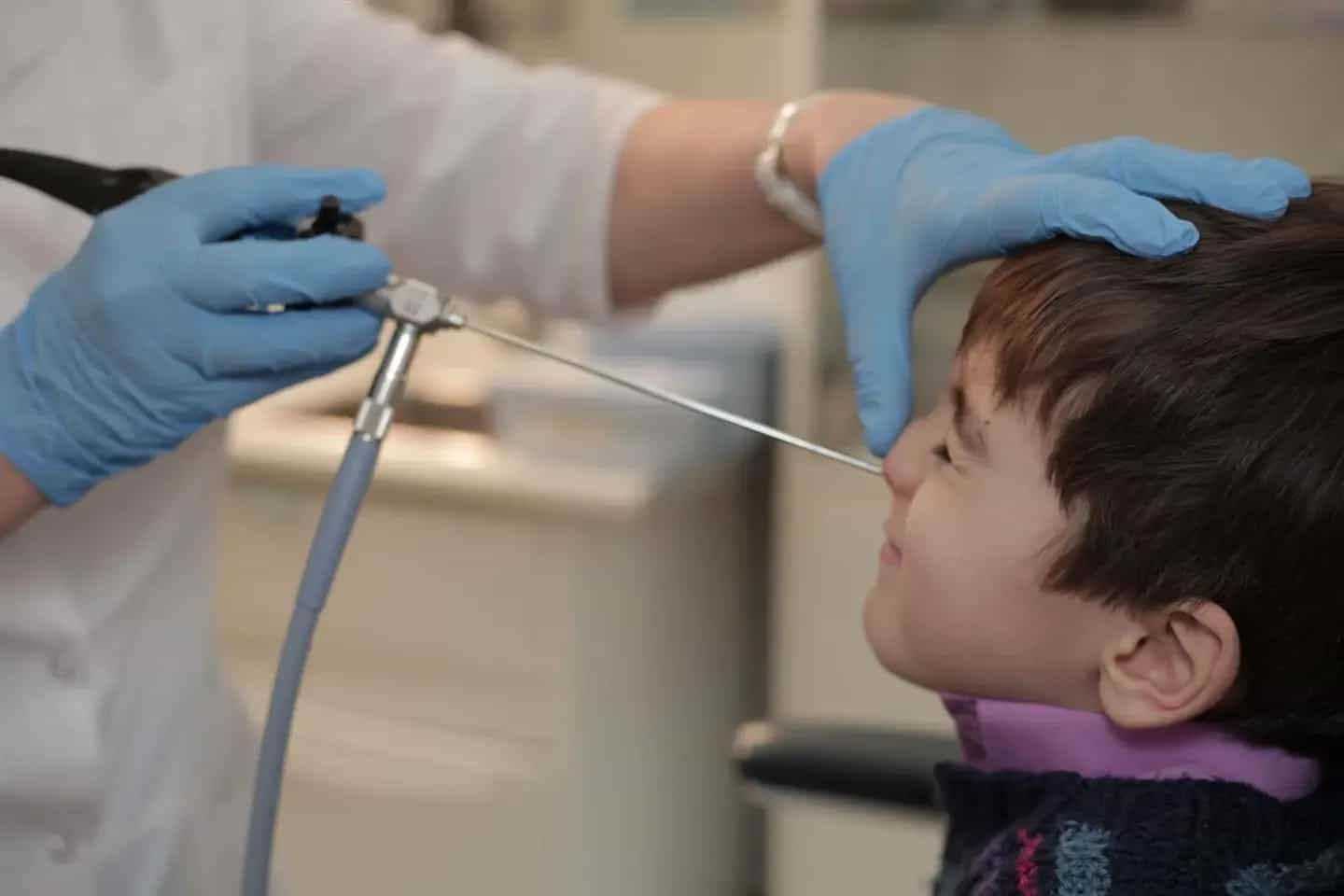
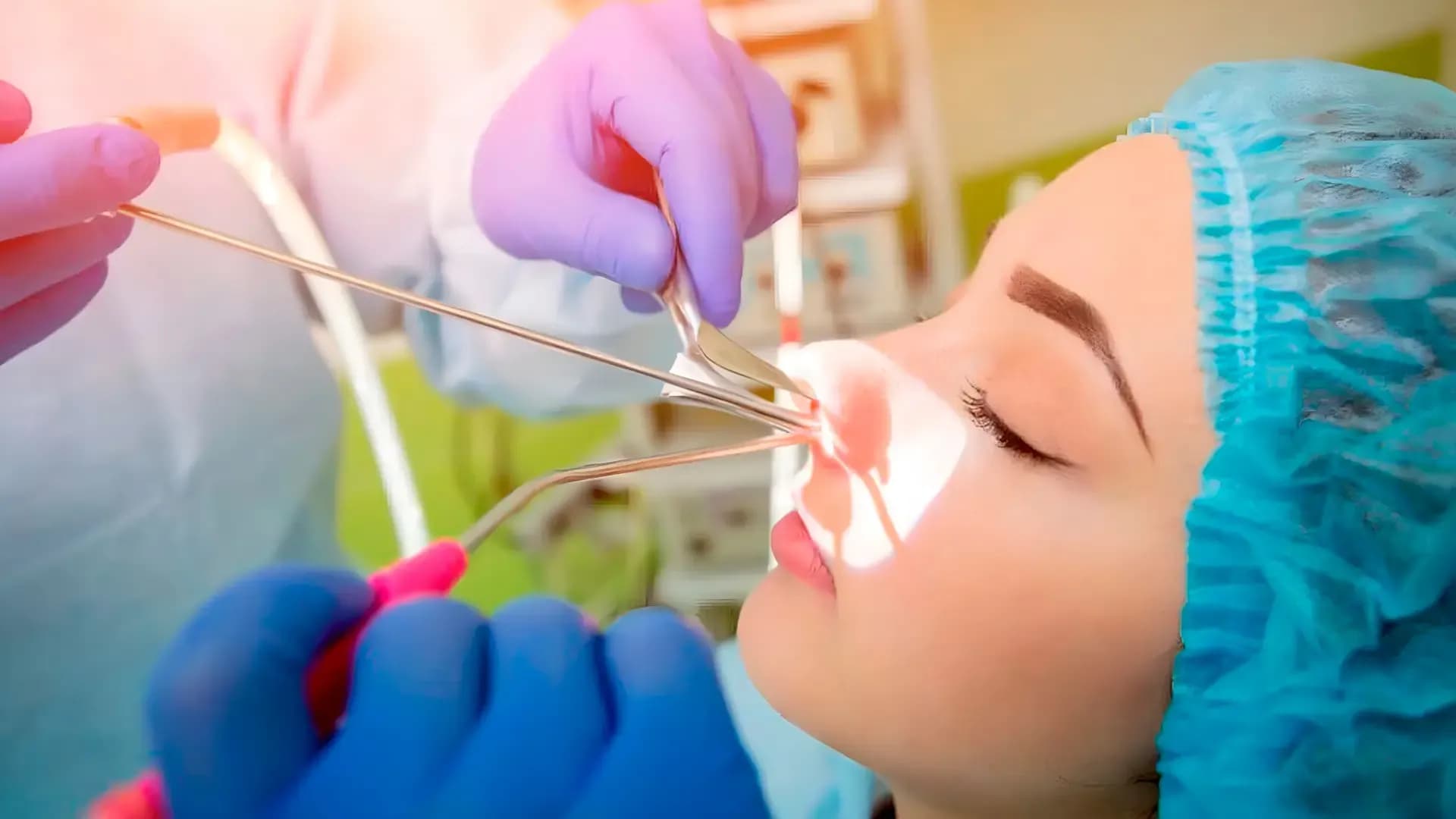
The procedure is performed using thin optical instruments called endoscopes, which are inserted through the nostrils without making external incisions. This technique is known as Functional Endoscopic Sinus Surgery (FESS).
The operation is usually performed under general anesthesia, although local anesthesia may be used in some cases. An endoscope is inserted into the nasal cavity, allowing the surgeon to examine the polyps, cysts, and paranasal sinuses. The abnormal tissue is then removed using specialized microsurgical instruments.
If necessary, the surgeon may also enlarge the natural opening of the affected sinus to improve ventilation and drainage.
Recovery after endoscopic surgery
Patients are typically monitored by their physician for 1–2 days following the procedure.
It is normal to experience nasal congestion and mild discomfort during the first few days after surgery. Patients are advised to rinse the nasal passages regularly with saline solution to promote healing.
For 1–2 weeks after the procedure, patients should avoid:
Saunas and steam baths;
Swimming pools;
Strenuous physical activity;
Hot food and beverages.
Regular follow-up visits with an ENT (ear, nose, and throat) specialist are recommended to monitor healing and help prevent complications such as bleeding, infection, scar formation, or recurrence of nasal polyps.
Benefits of endoscopic surgery
Minimally invasive procedure;
No external incisions or visible scars;
Faster recovery;
High surgical precision благодаря video-assisted visualization;
Complete removal of pathological tissue when indicated.
Where to have endoscopic removal of sinus polyps and cysts in Tashkent?
Expert Medical Clinic offers a comprehensive range of medical services, including advanced ENT surgery.
Our clinic is staffed by highly qualified specialists and equipped with modern medical technology to ensure safe and effective treatment. We provide an individualized approach to every patient, delivering high-quality care tailored to each person's needs.
Related Procedures